
Private Label Cashmere Manufacturing
We regularly partner with small and growing brands on private-label cashmere — starting with a small trial collection and scaling as the business grows. You bring the design brief; we take it from first sketch to finished piece.
What you can specify
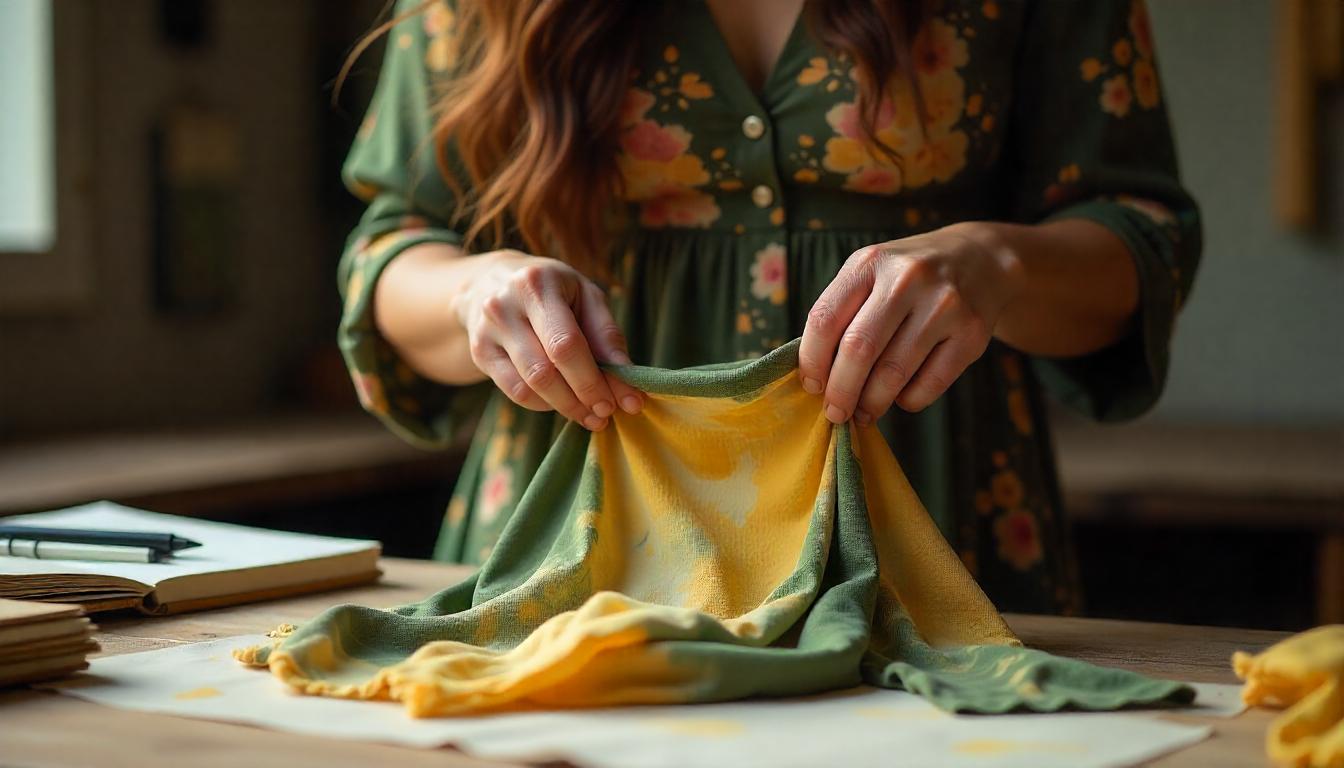
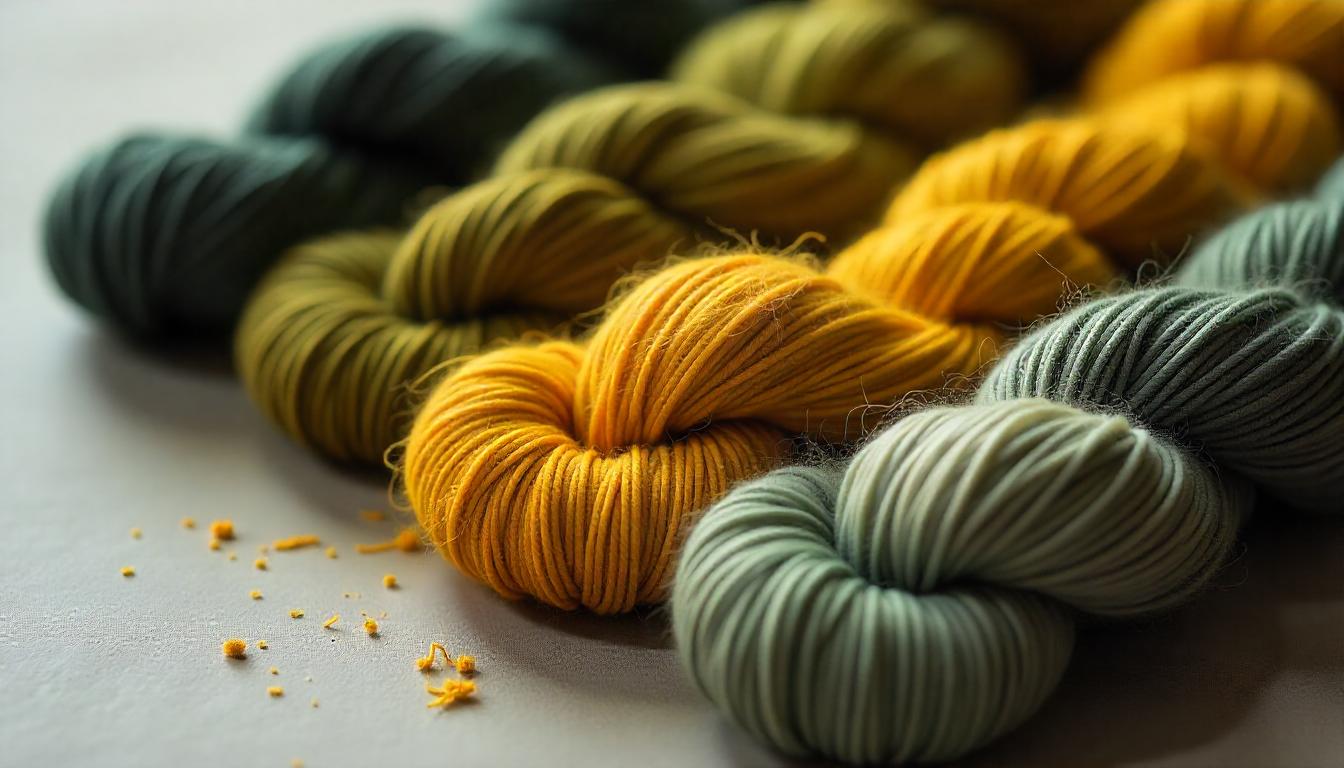
- Your own colourway — matched to a Pantone reference, your own swatch, or chosen from our in-house shade card.
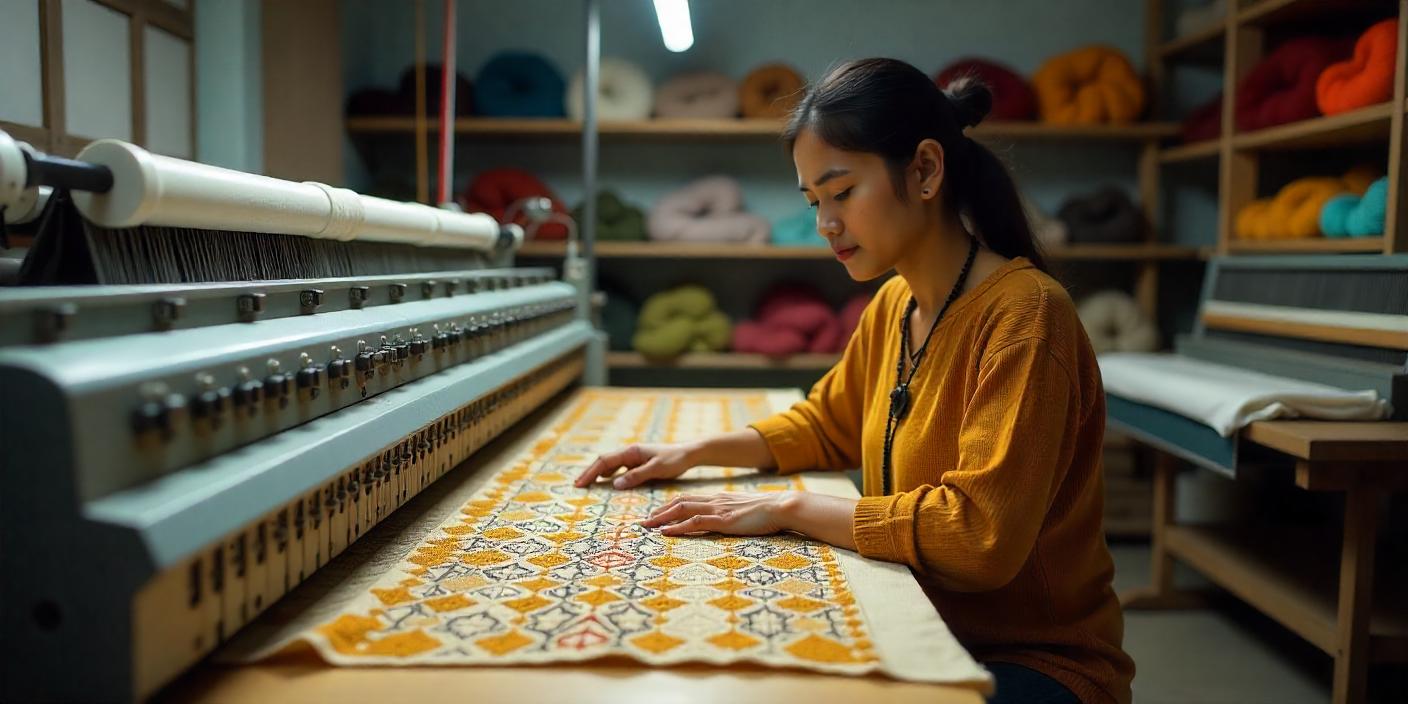
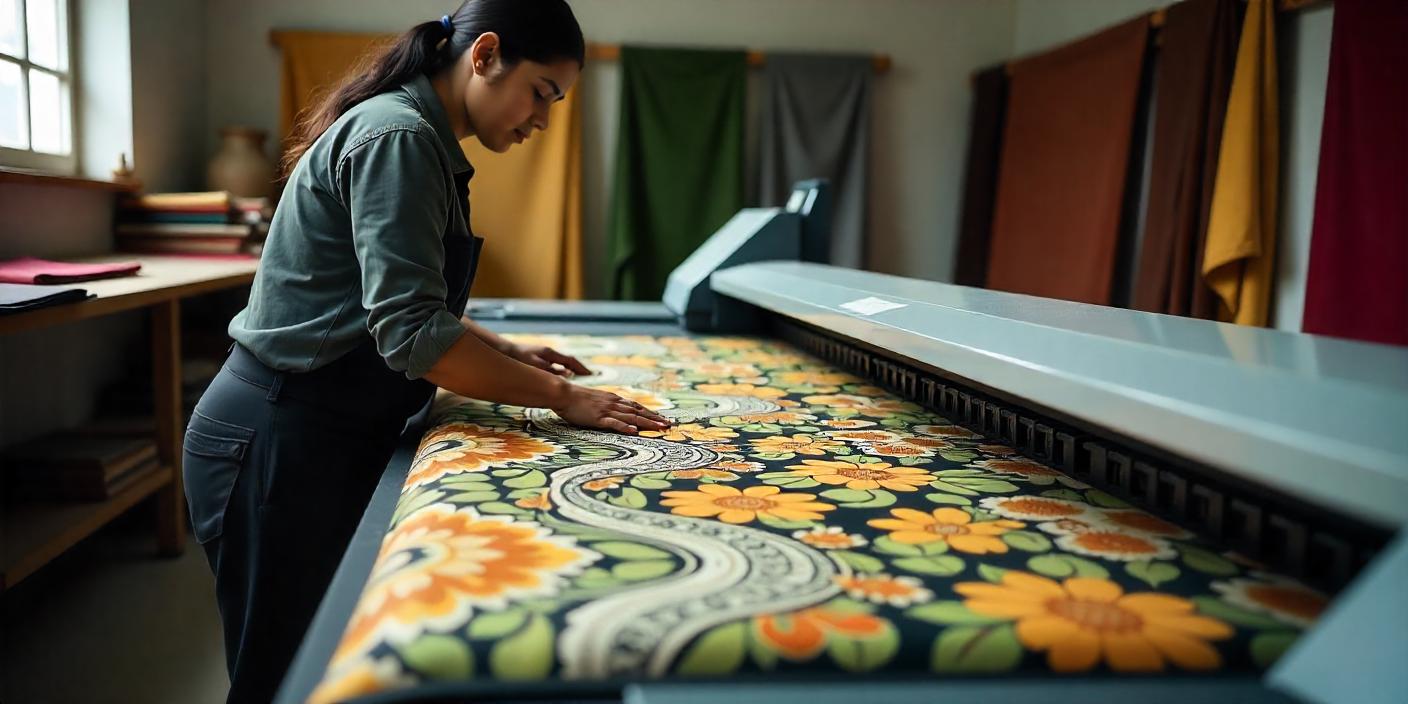
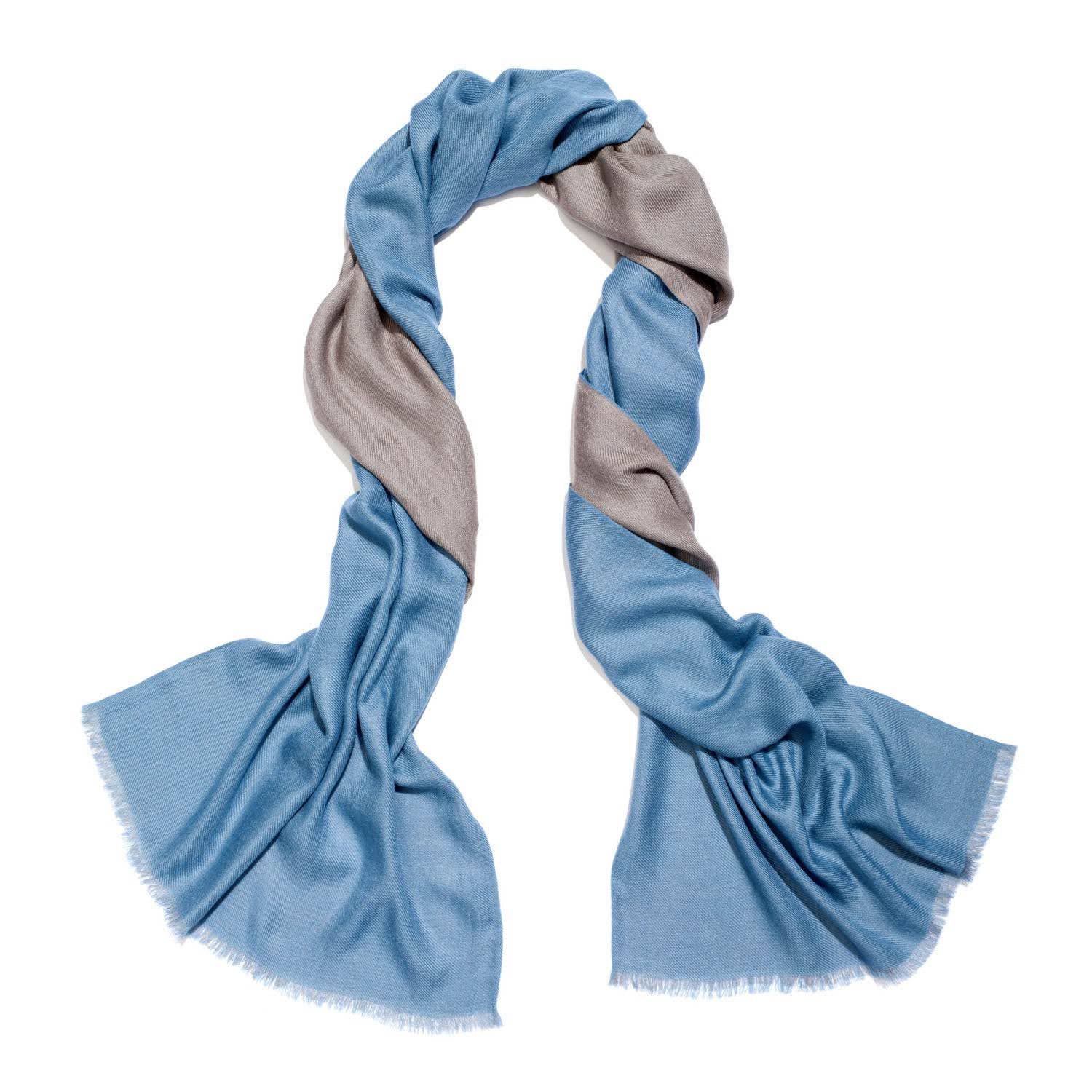
- Your own pattern — dobby checks, stripes and diamonds; Jacquard for intricate designs; ikat; screen and digital print.
- Your own sizes — weaving widths from 20 cm to 250 cm; knitwear graded XS–XXL.
- Your own label — woven or printed labels, care labels and hang tags.
- Your own packaging — tell us what you need and we will develop it with you.
Minimum order for a first collection
| Product type | Minimum order |
|---|---|
| Knitwear and knitted shawls | 20 pieces per style and colour, 5 pieces per size |
| Woven stoles and shawls | 20–30 pieces per style, 5 per colourway |
| Blankets and throws | 1–3 pieces per colourway, 5 pieces total |
A brand launching three styles in two colourways is looking at a realistic first production run, not a warehouse full of stock. That is deliberate: most of the brands we work with are testing a market rather than filling one.
How development works
- Brief. Send sketches, a reference product, a mood board, or simply a description. If you are unsure what is possible, ask — the answer is usually a conversation, not a form.
- Quotation. We come back with pricing, minimum order and lead time for sign-off. A design charge may apply depending on the complexity of the design.
- Sample. Either a reference sample of a comparable existing style, or a new development sample made to your brief. See Sampling for how this is costed and timed.
- Production. 50% advance to begin, balance before dispatch. Bulk lead time is approximately 45–60 working days.
- Export. We handle Nepal export customs and can source freight quotes to suit your timing.
What “made in Nepal” puts on your label
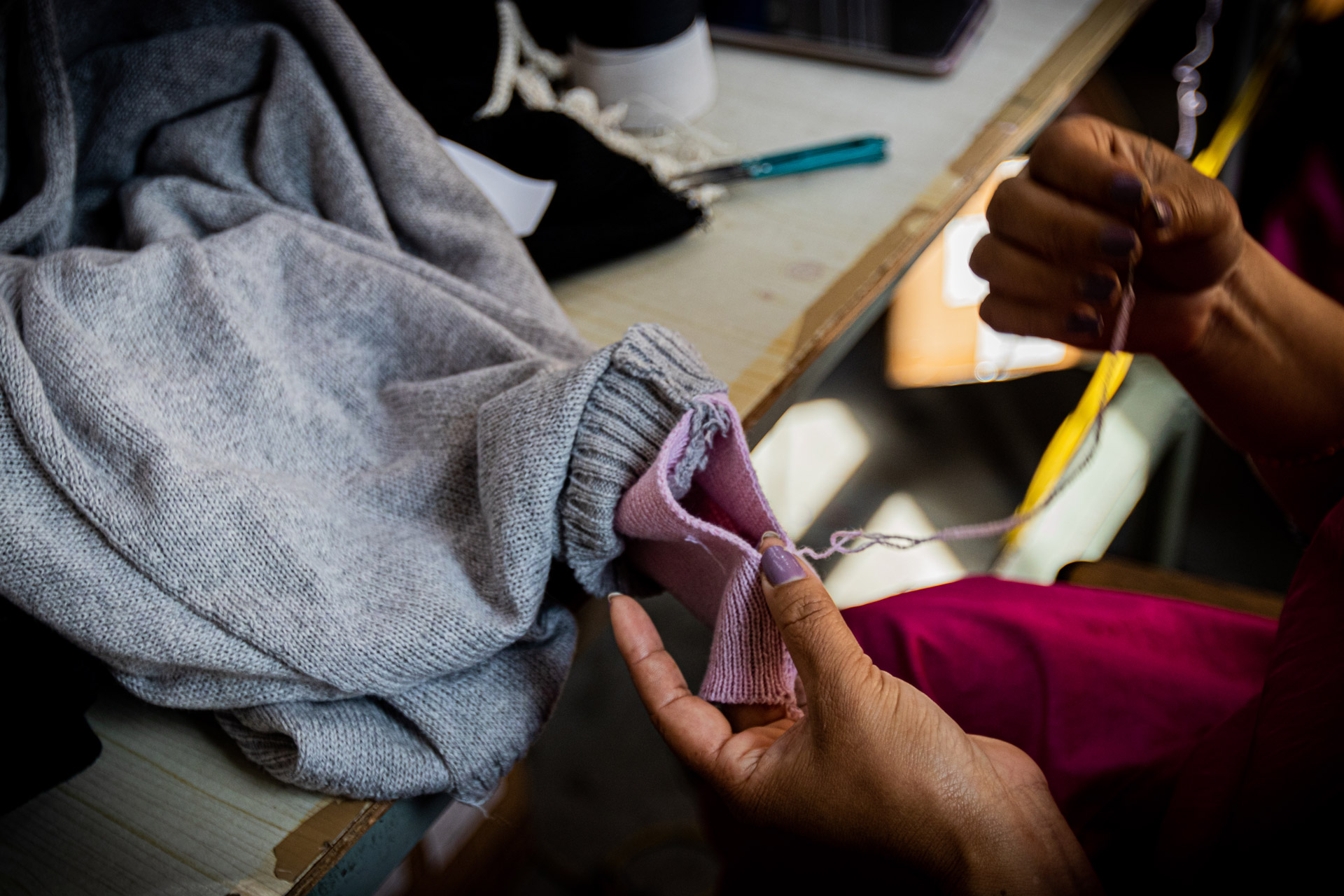
Nepal is not simply where the parcel ships from. Cashmere here is worked by hand through more than forty separate processes, on hand-flat knitting machines and handlooms operated by artisans whose skills were learned from the generation before them. Our own workforce is primarily made up of skilled women knitters and menders.
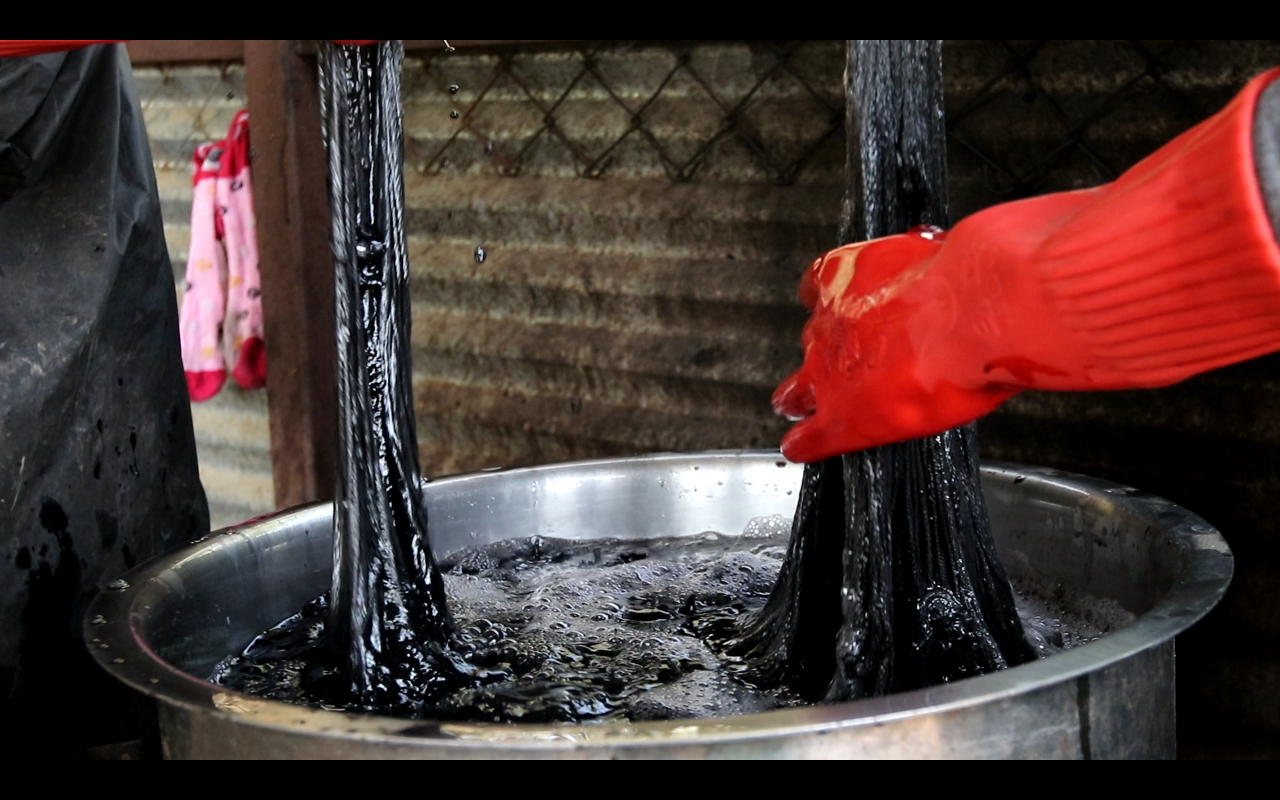
We will not tell you that every fibre originates in Nepal — it does not, and any supplier who claims otherwise is worth a second look. What is made here is the yarn’s transformation into cloth: the spinning, weaving, knitting, dyeing, printing, finishing and mending. That is the part a customer can feel.
Working with a smaller supplier
We are not a large factory and we do not present ourselves as one. What that means in practice: you talk directly to the people running production, decisions happen quickly, and a project of 60 pieces gets the same attention as one of 600. Not every brand needs a factory floor — some need a partner who will answer the question.
Launching a cashmere line without over-ordering
The expensive mistake in cashmere is almost never paying too much per piece. It is committing to stock that does not sell. A first collection structured to test rather than to fill a warehouse looks something like this:
- Three styles, not twelve. One hero piece, one everyday piece, one gift-priced piece. You will learn more from three styles selling at different rates than from twelve selling evenly at nothing.
- Two colourways per style. One safe neutral, one that expresses the brand. At 5 pieces per colourway the incremental cost of the second colour is small; the information it gives you is not.
- Sample only what you are serious about. A comparable reference piece answers the quality question for the rest of the range at a fraction of the cost and time.
- Plan the reorder before the first order lands. Lead time is 45–60 working days. If a style sells through in three weeks and you start the conversation then, you have missed the season.
What a good design brief contains
You do not need a technical pack. You do need enough for us to quote accurately rather than broadly. The most useful briefs tell us:
| Tell us | Why it changes the answer |
|---|---|
| Product type and rough size | Determines loom or machine, and therefore lead time |
| Target weight, or a reference piece | Weight is the honest measure of how much fibre is in the product |
| Woven or knitted | Two different production routes entirely |
| Pattern, if any | Dobby, jacquard, ikat and print carry different costs and minimums |
| Colour reference | Pantone, a swatch, or our shade card — a screenshot is not a colour |
| Quantity and season date | Tells us whether the plan is achievable before you invest in it |
If you are unsure how to describe any of this, the quality and specifications page covers the vocabulary, and the buyer guide walks through the whole sequence.
What we will tell you honestly
Some briefs are not producible at the quantity or price the brand has in mind, and some designs will not behave the way the sketch suggests once they are in cashmere. We would rather have that conversation at quotation stage than after you have paid for a sample. If a design needs a different construction to work, we will say so and explain why.
Further reading
Related
- Sampling — what a sample costs and how long it takes
- Quality & specifications — how to write a cashmere spec
- Our process — weaving, knitting, dyeing and printing
- Wholesale — ready-made styles without custom development
Start your cashmere project
Send us your brief — even a rough one — and we will tell you honestly whether we can make it, what it will take, and what it will cost.