
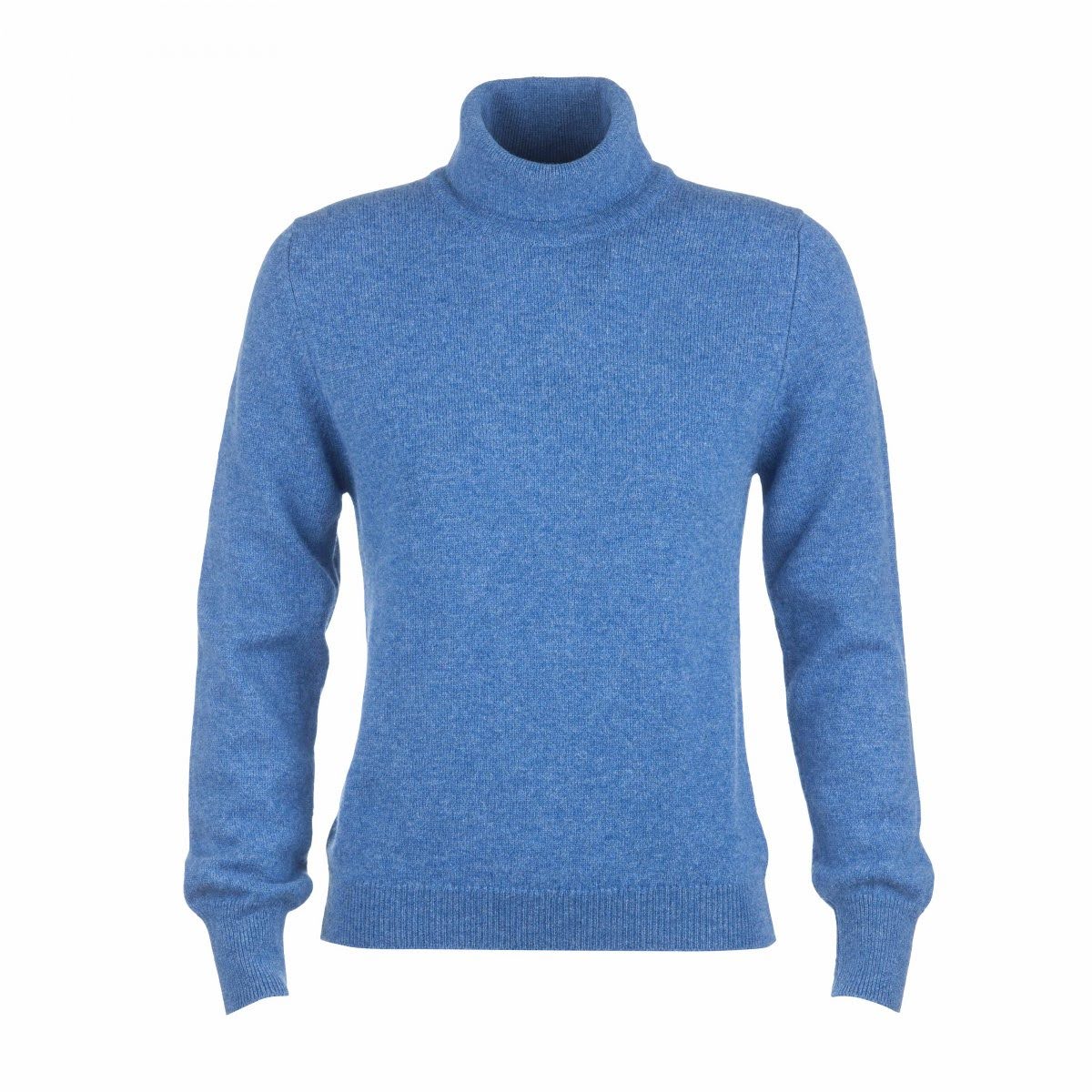
Cashmere Buyer Guide
Written for the buyer placing a first cashmere order. We sell cashmere, so read this with that in mind — but everything here is what we would tell a friend sourcing from someone else.
1. Work out what you actually need
Before contacting anyone, settle four things: the product type, roughly how many pieces, the handle you are after, and the date you need stock. A supplier can answer almost any question quickly once those exist. Without them, you will get a generic quotation and a slow conversation.
2. Judge the supplier before the product
Questions worth asking, and what the answers tell you:
| Ask | What you learn |
|---|---|
| “Who actually makes it, and how do you control quality there?” | A good supplier names the type of workshop, explains how they check quality there, and is honest about whether they own the factory or work with partners. |
| “What micron is your yarn?” | Whether they are close enough to their yarn source to know. |
| “What is your minimum, per style and per colour?” | A single headline number usually means the real answer is more complicated. |
| “Which certifications do you hold, and which do your suppliers hold?” | A supplier who blurs this distinction may blur others. |
| “What is your acceptable rejection rate?” | Anyone claiming zero is not describing handwork. |
| “Can you send a comparable existing piece?” | Willingness to be judged on real product. |
3. Reduce risk before you reduce price
The expensive mistake in cashmere is rarely paying too much per piece. It is ordering 500 units of something that turns out not to sell, or that arrives a half-tone off. Test small. A first order at a genuine minimum — fifty pieces per style and colour — costs a fraction of a wrong bulk commitment and tells you more than any amount of negotiation.
4. Specify properly
A specification that prevents disputes states composition, finished size, finished weight, construction, ply, gauge where relevant, colour reference, finishing, labelling and packing. Weight is the most under-used field on that list and the most revealing — it is the honest measure of how much fibre is in the piece. See quality and specifications for the full detail.
5. Sample, then approve in writing
Handle the product before you commit. When you approve, approve in writing, keep a physical counter-sample, and record the specification. That record is what makes next season’s repeat order reproducible. See sampling.
6. Understand the landed cost, not the unit price
A quotation from Nepal is normally ex-works Kathmandu. On top of it sit freight, insurance, import duty, destination taxes and customs clearance. Duty depends on your destination country, the HS classification, the product’s composition and the trade arrangements in force when you import — so the only reliable figure is the one your own customs authority or broker gives you for your specific product and market. Treat any supplier who quotes you a universal duty rate with suspicion.
7. Plan the calendar backwards
A realistic schedule for a new design: 30–45 days for a development sample, a week or two for your review and approval, 45–60 working days for bulk production, then freight. Work backwards from your on-shelf date and you will find the conversation needs to start months earlier than most brands expect.
8. Ask where it is actually made
Country of origin on a cashmere product refers to where the cloth was made, not where the goat lived. Nepal is a manufacturing origin: the dyeing, weaving, knitting, printing and finishing happen here, by hand. Fibre itself moves through international markets, and a supplier claiming every fibre originated locally is overstating it. Ask the question, and prefer the supplier who gives you the complicated honest answer.
9. Build for the repeat, not the first order
The value in a supplier relationship compounds. Keep your specifications and counter-samples filed, give feedback after delivery rather than only when something is wrong, and tell your supplier your season calendar in advance. Suppliers protect capacity for buyers who plan.
Further reading
Next steps
- Wholesale — ready-made styles and terms
- Private label — developing your own collection
- Corporate gifting
- Frequently asked questions
- How it is made
Start your cashmere project
Tell us what you are trying to make and we will tell you honestly what it takes.