
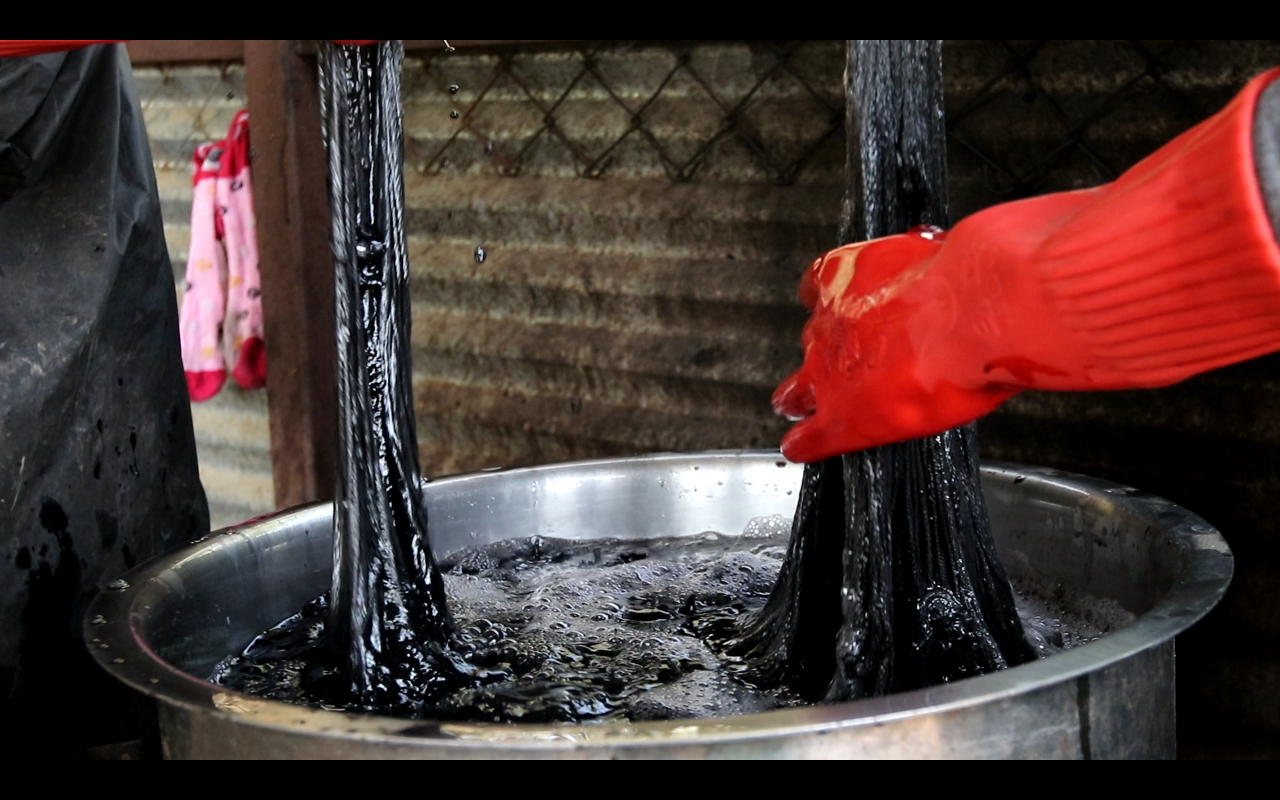
Cashmere Dyeing
Colour is where most cashmere projects are won or lost. A shade that looked right on screen can arrive flat; a repeat order can come back a half-tone off. This is how we handle dyeing, and what you should specify to avoid both.
How dyeing works
- Natural and azo-free dyes across the range.
- Yarn dyeing — colour applied before construction. Required for ikat, stripes, checks and jacquard, where the pattern is built from pre-coloured yarn.
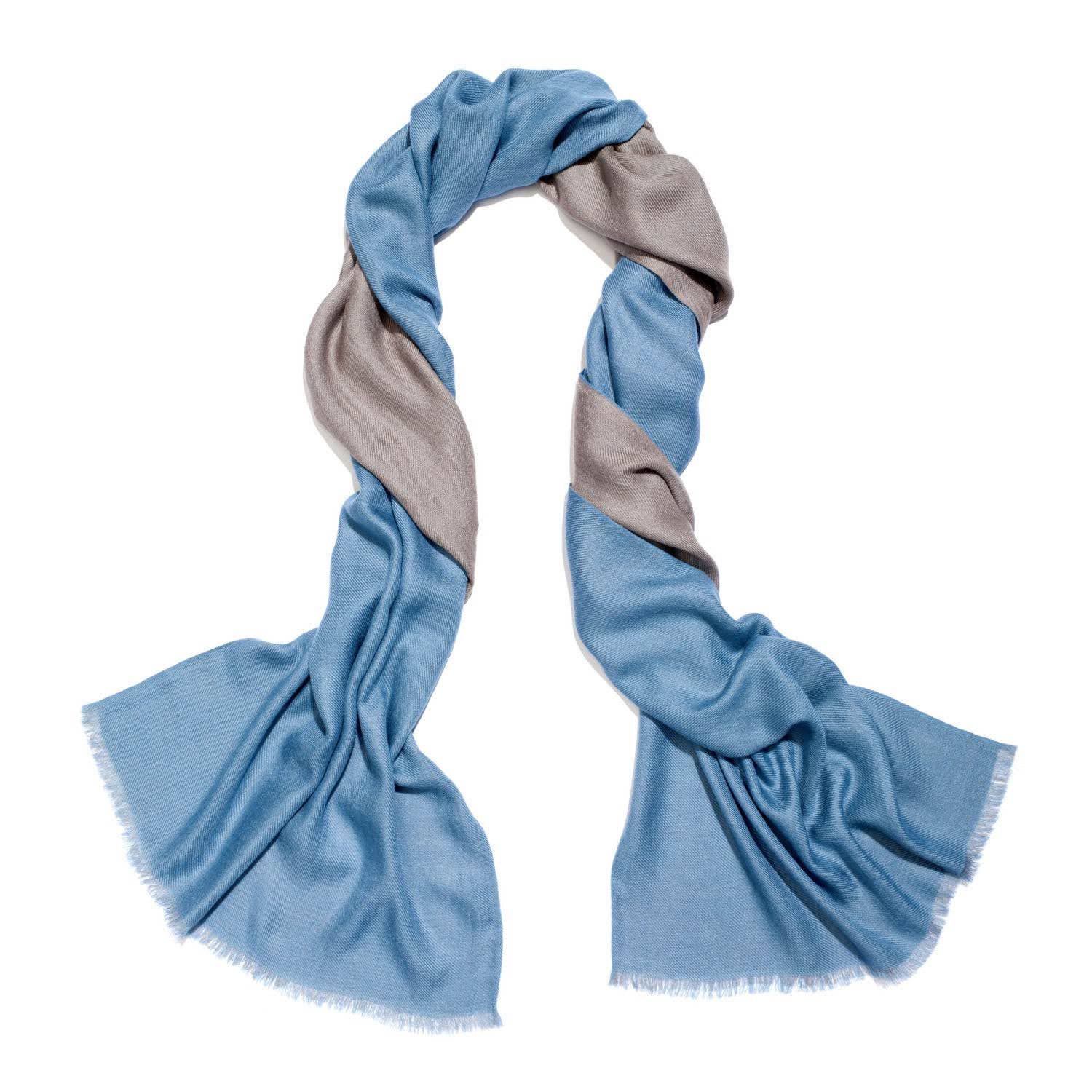
- Piece dyeing — colour applied to finished cloth. Faster, and the route for solid colours.
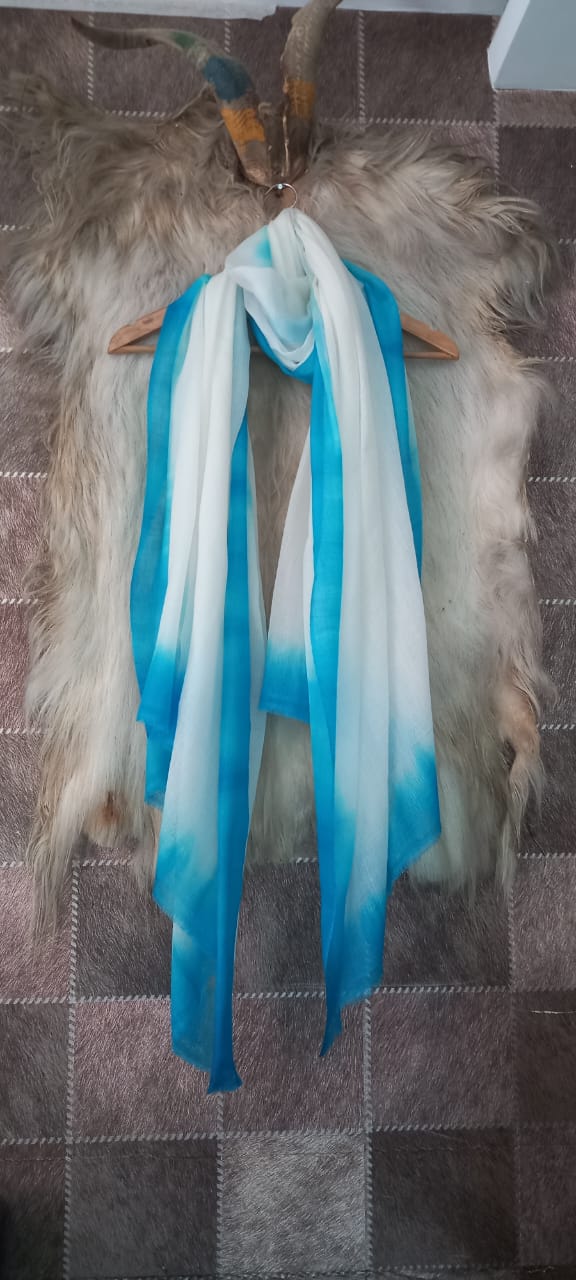
- Ombré and shaded — graduated colour across a single piece, used on our featherlight stole range.
- Tie-dye — hand-worked, so each piece carries its own variation.
- Undyed natural — the fibre’s own shade, for brands that want no dye in the product at all.
Matching a colour
Three routes, in increasing order of reliability:
- Our shade card — stock shades, fastest turnaround.
- Pantone reference — give us the number. Note that a Pantone chip is printed ink on paper; cashmere is a lofty, light-scattering fibre, so an exact visual match is an approximation by nature.
- Your physical swatch — the most accurate method. Send the actual material you want matched.
Whichever route you use, approve the colour on a physical lab dip or sample under the lighting your customer will buy in — not on a screen.
Why dye lots vary
Dyeing natural fibre is a chemical process on a biological material. Fibre from a different lot takes dye slightly differently; water, temperature and batch size all contribute. Small variation between runs is inherent, not a defect.
How to manage it:
- Order a full season’s requirement of a critical colour in one lot where you can.
- Keep an approved physical counter-sample and record the reference in your specification.
- Where a range must match across styles, tell us at the quotation stage so the pieces can be dyed together.
- Accept a stated tolerance in writing rather than discovering the question on delivery.
Water and environmental practice
We use natural and azo-free dyes, which are better for the artisans handling them as well as for the water they eventually reach, and the dye houses we work with use low-water and closed-loop processes. Pashmina Studio does not hold a water-treatment certification in its own name, and we would rather state that than imply one. Our yarn suppliers include OEKO-TEX® Standard 100 certified and GOTS-aligned sources.
Further reading
Related
- Natural dyeing on cashmere pashmina
- Our process · Printing · Weaving
- Quality & specifications · Sampling
Ask about colour
Send us a Pantone reference or a swatch and we will tell you what is achievable on cashmere.