
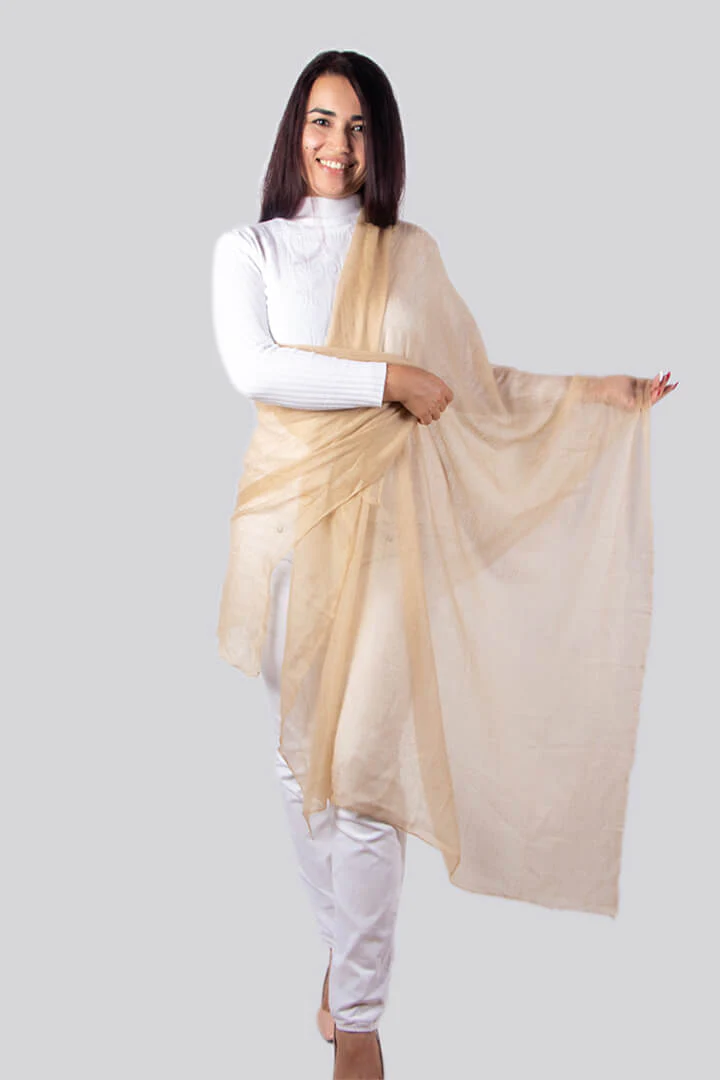
Cashmere & Silk Blends
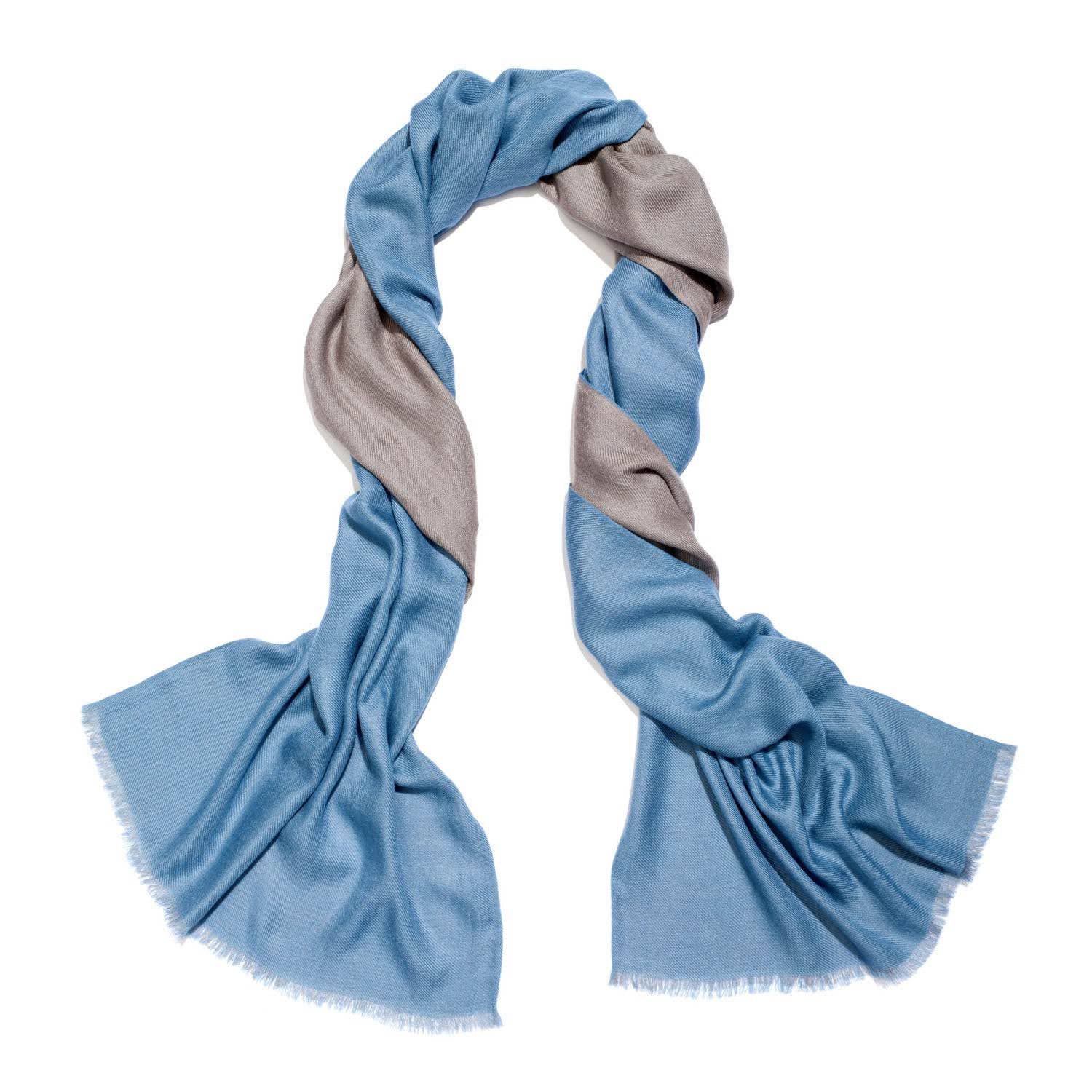
Silk changes what cashmere does. It adds lustre, sharpens drape, and gives printed designs a surface that holds colour cleanly. Our standard blend is 70% cashmere / 30% silk.
What the blend changes
- Lustre. Silk reflects light where cashmere absorbs it — the blend reads as more formal on the shelf.
- Drape. Heavier fall, less loft. It hangs rather than wraps.
- Print. Colour sits crisper on a silk-blend ground, which is why print-led ranges usually specify it.
- Strength. Silk’s longer filament adds tensile strength to the yarn.
What it does not do is make the piece warmer. If warmth is the point, 100% cashmere is the better specification — see woven stoles and shawls.
Specifications
| Style | Composition | Size | Minimum order |
|---|---|---|---|
| Silk pashmina shawl | 70% cashmere / 30% silk | 90 × 200 cm | By project |
| Stripe scarf, cashmere-silk | Cashmere / silk blend | By style | By project |
| Cushion, square | 70% cashmere / 30% silk | 46 × 46 cm | By project |
| Cushion, rectangular | 70% cashmere / 30% silk | 51 × 66 cm | By project |
Blend ratios other than 70/30 can be developed to a brief. Tell us the handle you are aiming for and we will advise on the ratio rather than guess at it.
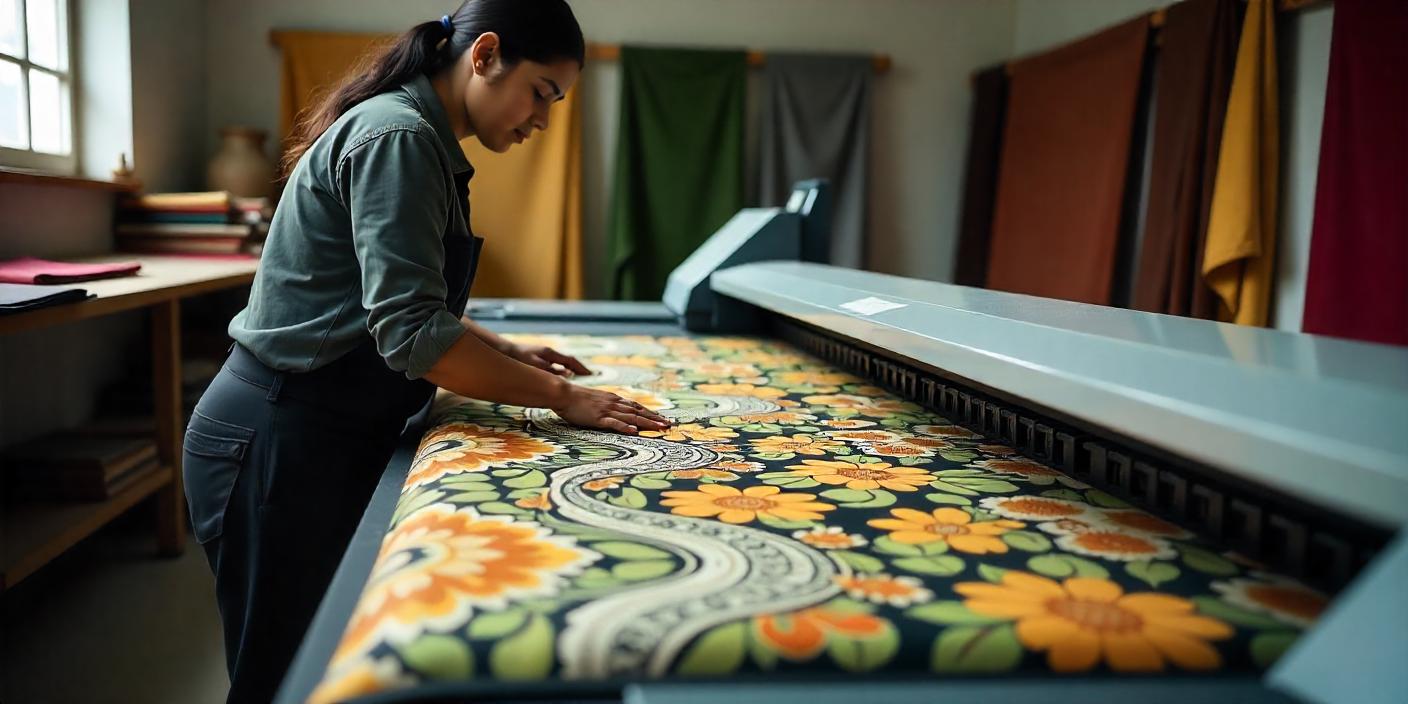
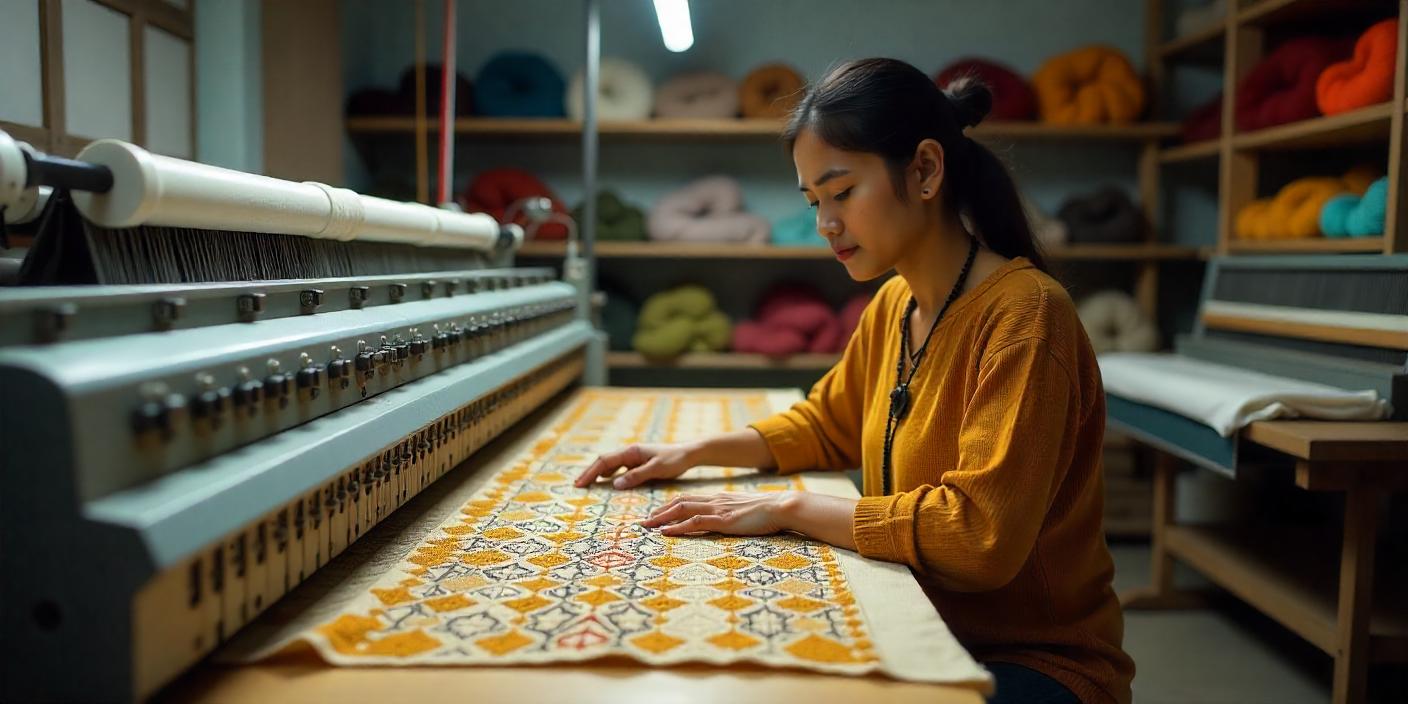
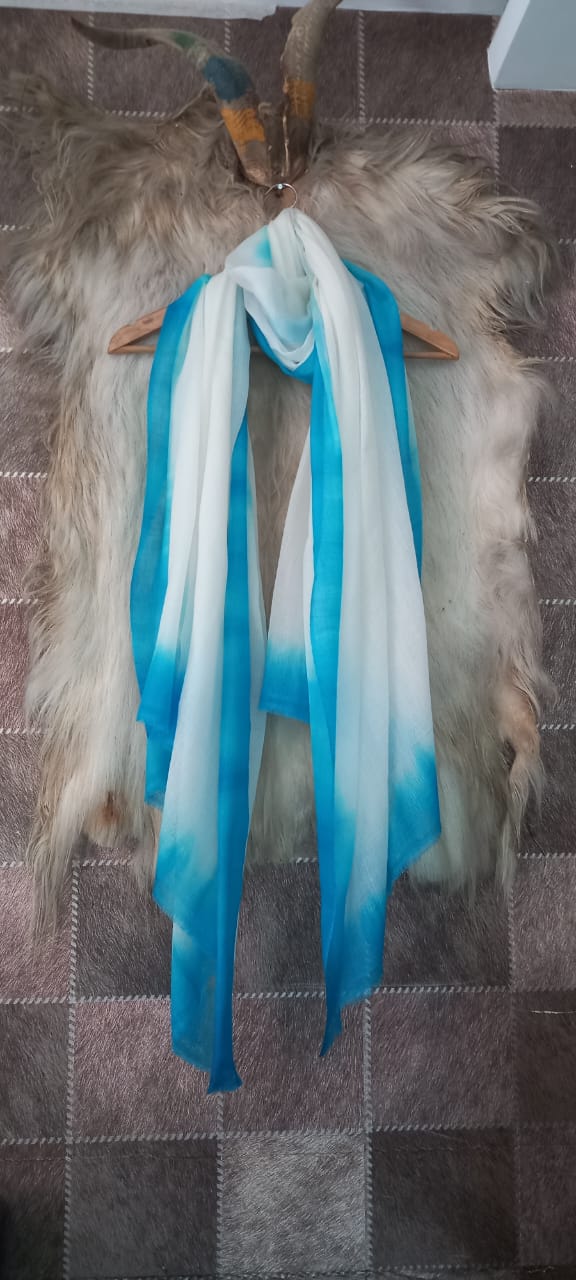
Print and pattern
Digital print carries fine detail — our mandala and Nepali thangka-derived designs are printed this way. Screen print suits flatter, bolder colour work, built up one screen per colour. Jacquard weaving builds the pattern into the cloth instead, for brands that want texture rather than surface.
Ordering
- Lead time: approximately 45–60 working days from confirmed order.
- Sampling: reference sample, or development sample at 2× unit cost credited against bulk.
- Terms: 50% advance, balance before dispatch, quoted FOB Kathmandu.
Further reading
Related
Enquire about this range
Tell us the handle you are aiming for and we will advise on the blend ratio rather than guess at it.