
How We Make Cashmere
Every piece of cashmere we make passes through more than forty separate hand processes between raw fibre and finished cloth. This is what happens in each of them, and what it means for what you receive.
The four core techniques
Weaving
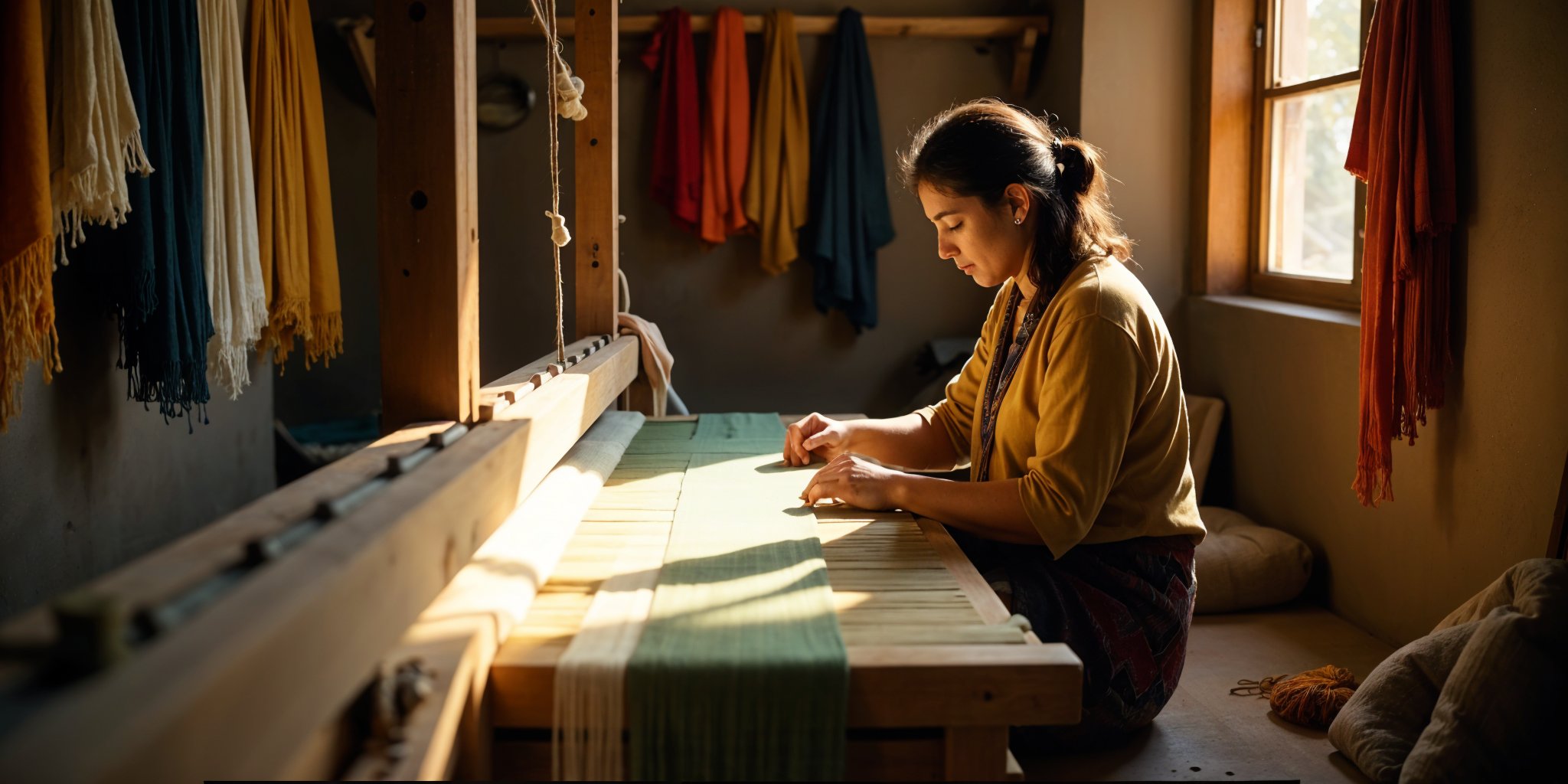
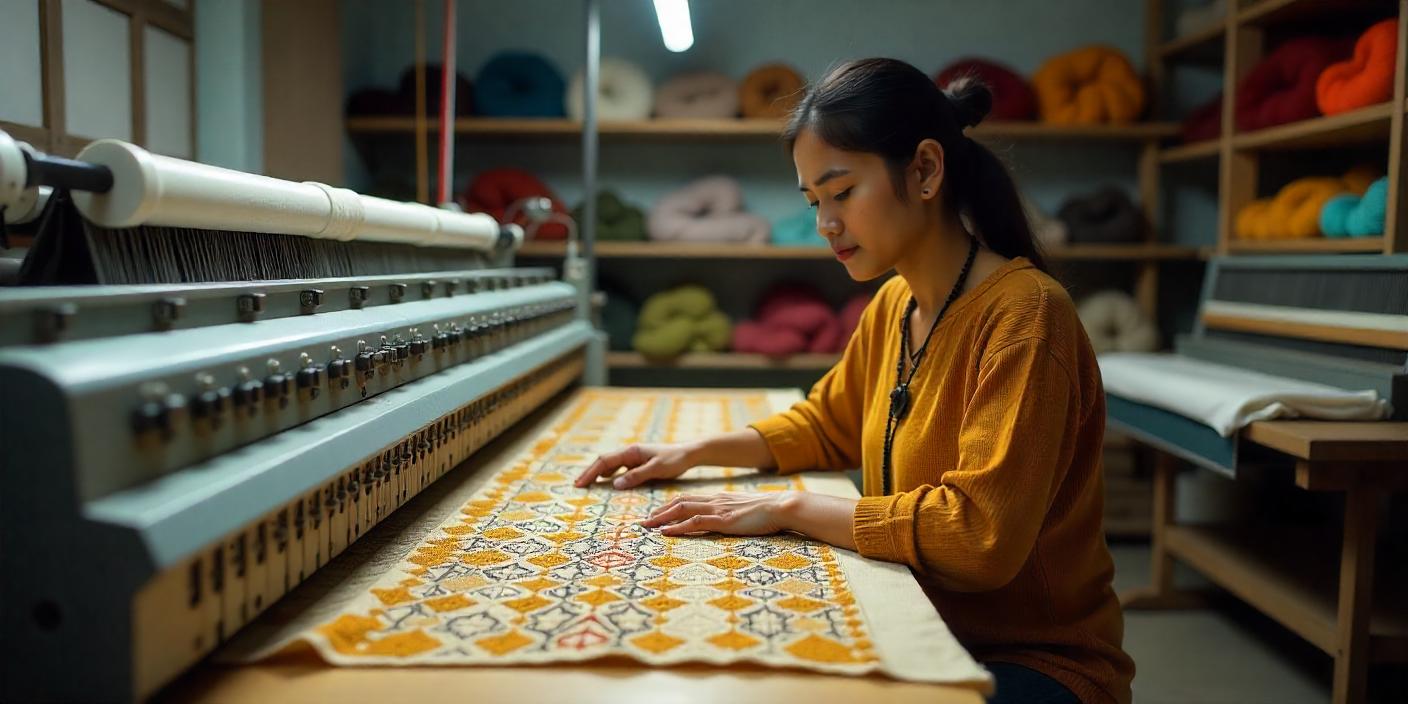
Passed down through generations and the core of what we do as a second-generation family mill. Handloom, twill, dobby for checks and stripes, Jacquard for intricate pattern, and ikat. Weaving widths run from 20 cm up to 250 cm.
Knitting
Where the business began, over two decades ago. Entirely handmade, on hand-flat machines from 1.5 to 14 gauge, worked by a team primarily made up of skilled women knitters and menders. Mending is done by the same hands that knit.
Dyeing
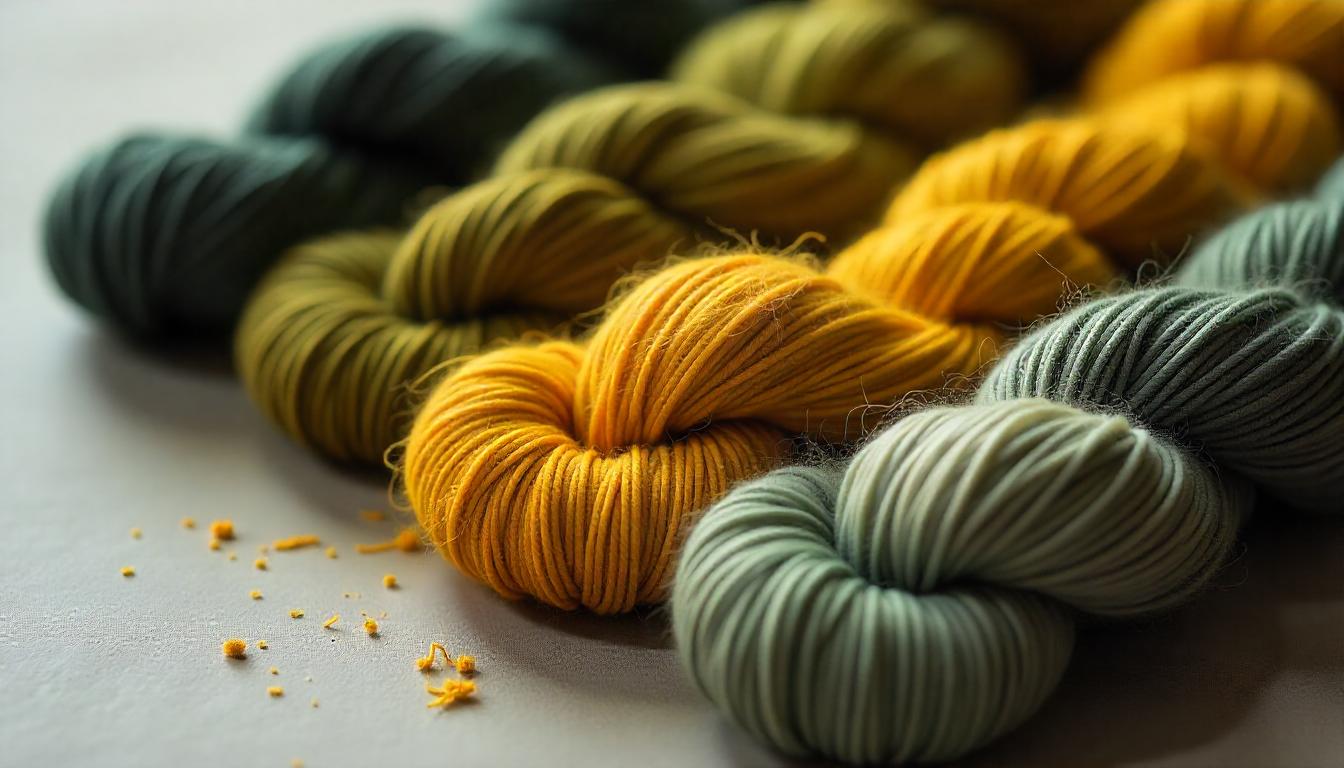
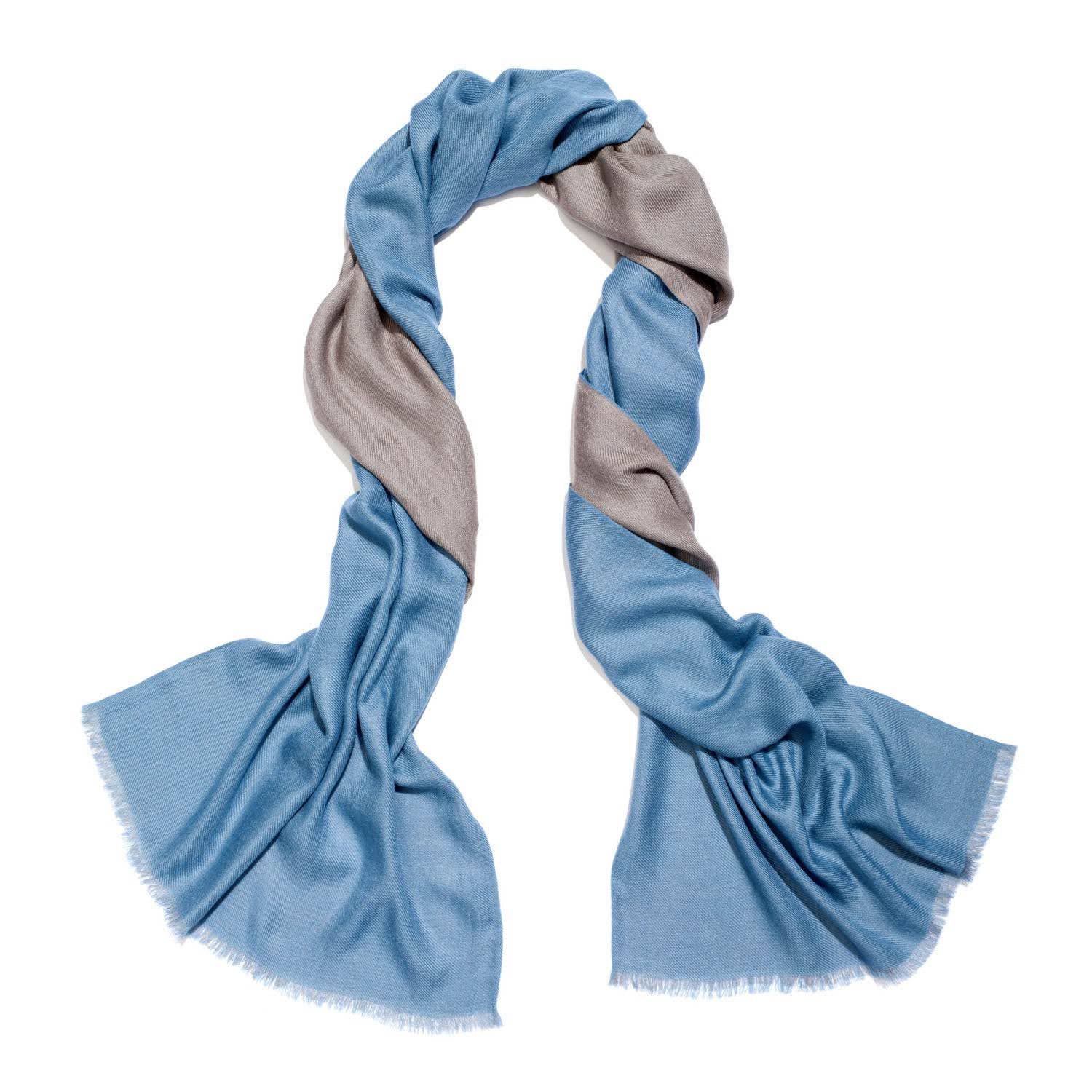
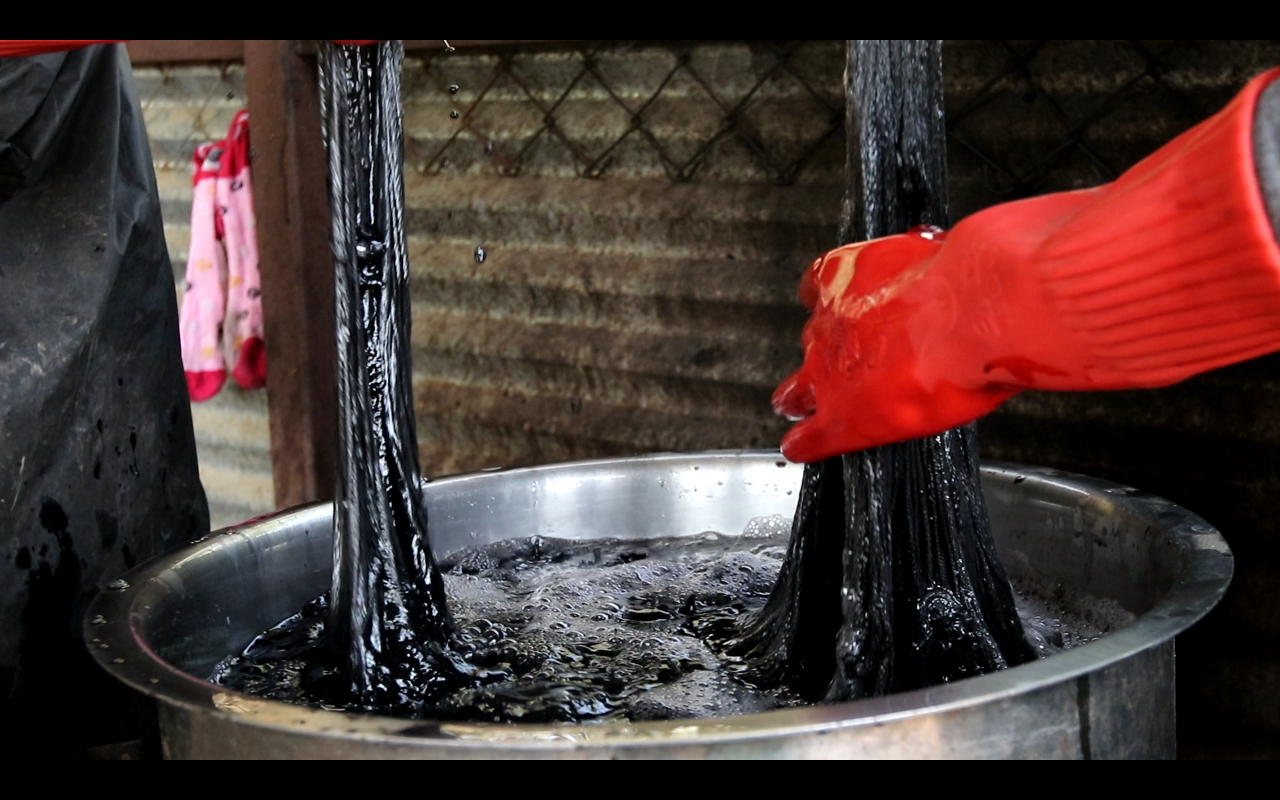
Natural and azo-free dyes, matched to our in-house shade card, to a Pantone reference, or to a swatch you send. Ombré and shaded effects, two-tone and reversible combinations, and undyed natural shades.
Printing
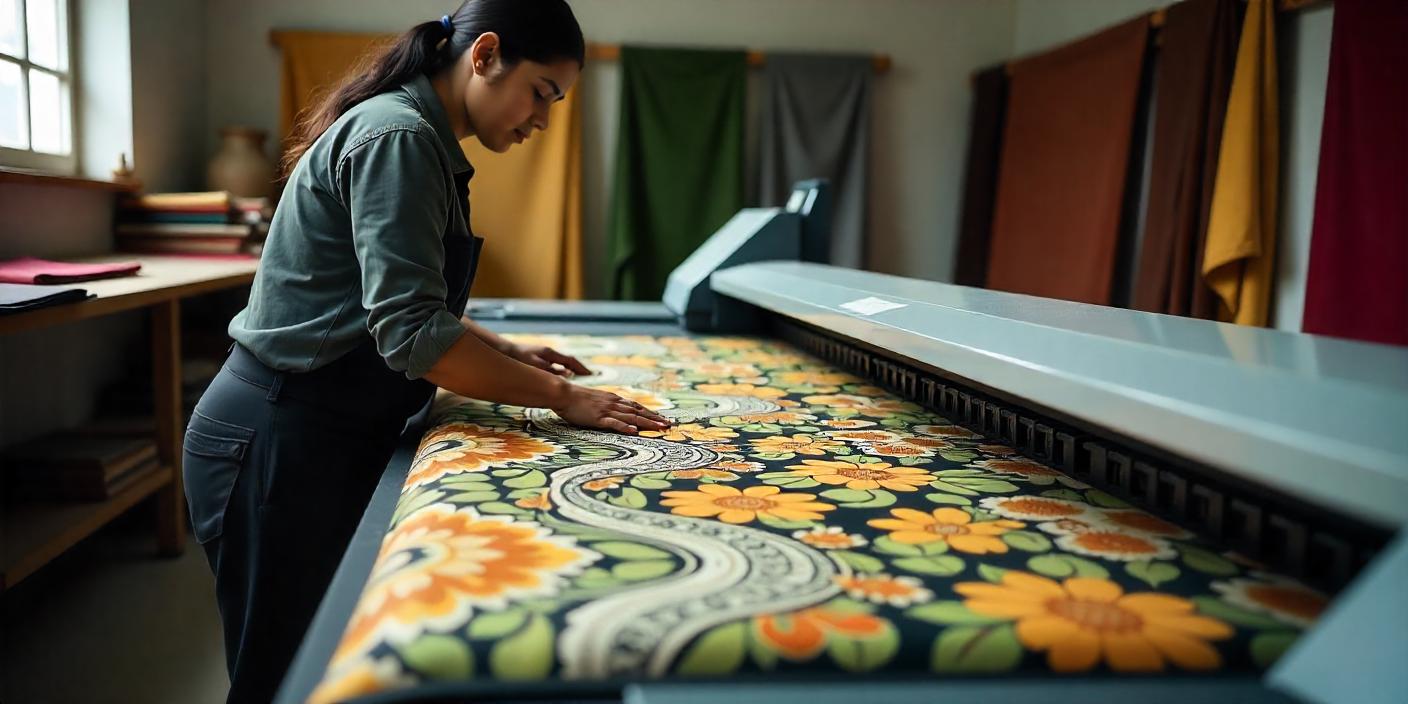
Two methods. Screen printing builds colour up one screen at a time and suits bold, flat separations. Digital printing carries fine detail — it is how our mandala and thangka-derived designs are produced.
The sequence, start to finish
- Yarn selection and inspection. Cashmere sourced from certified supplier networks, checked on arrival.
- Dyeing. Either yarn-dyed before construction — necessary for ikat, stripes and jacquard — or piece-dyed afterwards.
- Weaving or knitting. Handloom or hand-flat machine, depending on the construction.
- In-process inspection. Faults are caught on the loom or the machine, not at the end.
- Printing or embroidery. Where the design calls for surface work.
- Washing and finishing. The stage that sets the final handle — and the one most often over-done elsewhere, at the cost of pilling later.
- Mending. By hand, by the knitters and menders themselves.
- Final inspection, labelling and packing. Against the approved sample specification.
What this means for your order
- Lead time of approximately 45–60 working days is a consequence of this sequence, not padding.
- A rejection rate of up to 5% is treated as acceptable — handwork carries variance, and a supplier promising zero is promising something machines cannot deliver either.
- Dye lots vary slightly between runs. Record your colour reference at sample approval so repeat orders can be matched.
- Small runs get the same process. A twenty-piece order goes through the same forty hands as a two-hundred-piece one.
The people
Pashmina Studio was started in 1982 by two brothers, Rajendra Man Singh Basnyat and Rabindra Man Singh Basnyat, at their ancestral property in Ason, Kathmandu. It is now run by the second generation. Our workforce is primarily made up of skilled women knitters and menders, and the techniques they use were learned from the generation before them.
Further reading
Related
Talk to us about production
Tell us what you want made and we will walk you through how it would actually be produced.