
What is pashmina? A buyer’s guide to pashmina and cashmere
Pashmina is fine cashmere: the soft undercoat fibre of high-altitude Himalayan goats, traditionally spun and woven by hand in Nepal and Kashmir. All pashmina is cashmere, but most cashmere sold today is not pashmina in the traditional sense — and the word on a label proves nothing on its own.

Where the word comes from
“Pashmina” comes from the Persian pashm, meaning wool, and in the Himalaya it came to mean the fine under-down combed from goats living on the high plateaus. In the West, “pashmina” became a fashion word in the 1990s and was quickly applied to anything soft and shawl-shaped, including acrylic and viscose. That is why buyers now treat the word with suspicion.
For a buyer the useful distinction is simple: “cashmere” is a fibre with a legal definition in some markets; “pashmina” is a cultural and commercial name. Specify the fibre and its fineness, not the name.
Pashmina vs cashmere
| Cashmere | Pashmina (traditional use) | |
|---|---|---|
| What it is | Fine undercoat fibre of cashmere-producing goats | The finest grades of that fibre, associated with Himalayan goats and hand processing |
| Fineness | In the United States, fibre labelled cashmere must average 19 microns or less | Commonly described as finer still, often quoted around 12–16 microns |
| Where made | Spun and made in many countries | Associated with Nepal and Kashmir craft traditions |
| What the label guarantees | Fibre content, where labelling law applies | Nothing by itself — check the composition and the maker |
The practical consequence: when you brief a supplier, ask for micron, yarn count, ply and weight, not for “real pashmina”.
Is pashmina from Nepal different?
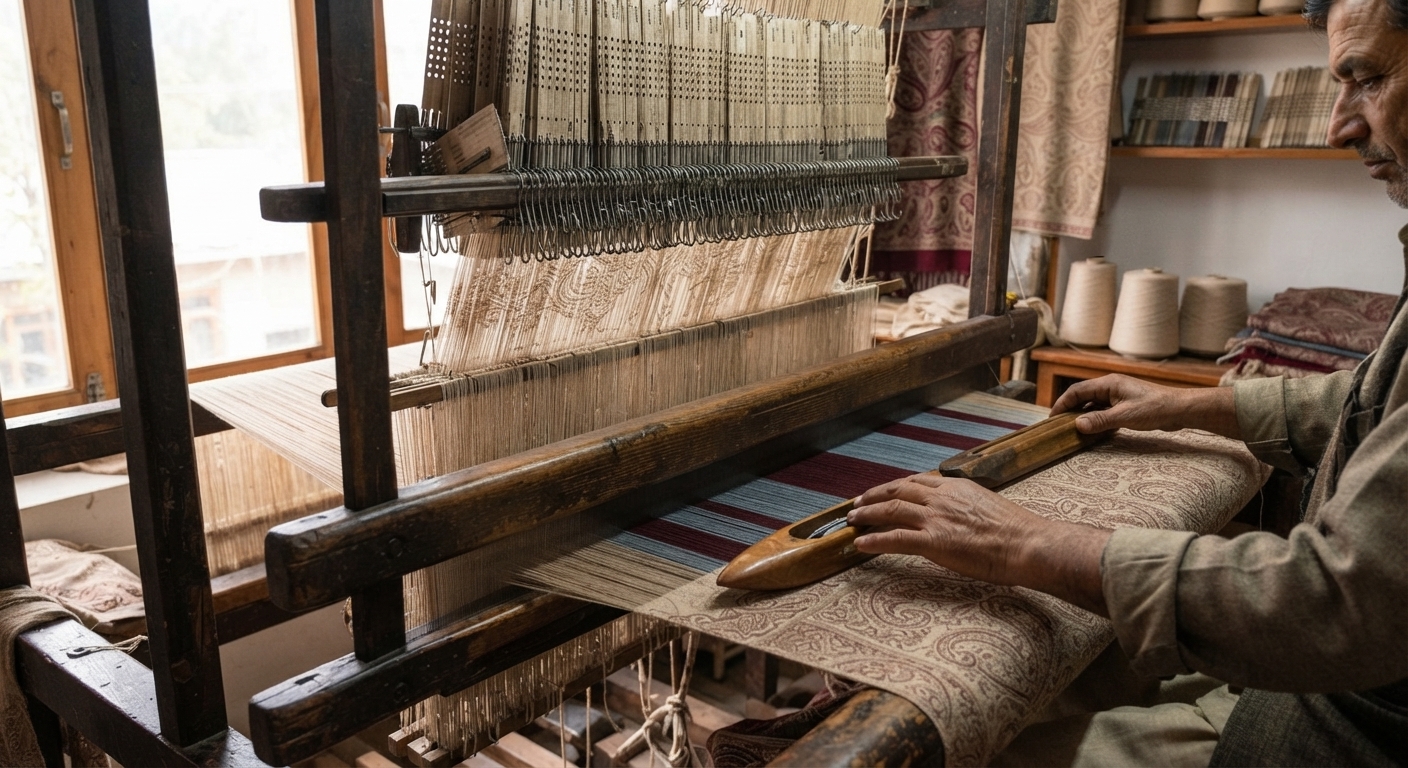
Nepal’s pashmina reputation rests on craft — hand weaving, finishing, dyeing and mending skills built up over generations — and on a collective trademark. The Chyangra Pashmina mark, held by the Nepal Pashmina Industries Association, was approved for Nepali pashmina in 2011 and by 2018 had been accepted in 47 countries (Kathmandu Post).
We are straight about our own supply chain: we buy cashmere yarn from established spinners and do not claim Nepali-origin fibre. What happens in Kathmandu is the making — weaving, knitting, dyeing, finishing, mending and quality control. Read what “cashmere from Nepal” really means before you put the phrase on your own label.
How to tell if pashmina is real
- Read the composition label. “100% cashmere” is a specific claim. “Pashmina” alone, “pashmina feel” or “cashmere touch” are not fibre claims.
- Ask for a fibre test for your lot. A textile laboratory can identify fibre and measure mean diameter. This is the only reliable test.
- Use the burn test with care. Burning a thread separates animal fibre (smells of hair, crumbles to ash) from synthetics (melts into a bead). It cannot tell cashmere from wool.
- Ignore the ring test. Pulling a shawl through a ring shows that it is thin, not what it is made of.
- Judge price against weight. Very light, very large and very cheap rarely go together in genuine cashmere.
What buyers should specify instead
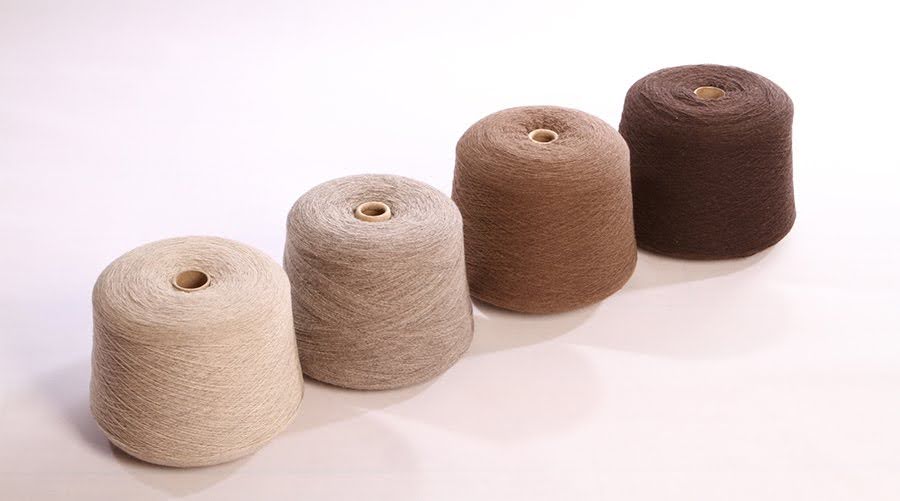
For a woven scarf or stole, a workable brief names: composition (for example 100% cashmere, or a cashmere and silk blend — 70/30 is typical), yarn count and ply, finished dimensions with tolerance, finished weight with tolerance, weave and finish, colours by Pantone or physical swatch, and labels. Our buyer checklist turns that into a page you can send to any supplier, including us.
Buyer questions
Is pashmina the same as cashmere?
Pashmina is a type of cashmere: the term traditionally refers to the finest Himalayan cashmere and the hand-made textiles woven from it. All genuine pashmina is cashmere; not all cashmere is called pashmina.
Why is some pashmina so cheap?
Because many products sold as pashmina contain little or no cashmere. Viscose, acrylic and wool blends are common. Check the composition label and, for wholesale orders, ask for a fibre test.
Is pashmina from Nepal made from Nepali goats?
Not necessarily. Many Nepali makers, including Pashmina Studio, buy cashmere yarn from international spinners. Nepal’s contribution is the craft of making. Ask each supplier where its fibre and yarn come from.
What is a pashmina-silk blend?
A blend of cashmere and silk, often around 70% cashmere and 30% silk. Silk adds strength, lustre and drape and makes very fine weaves more durable.
Can Pashmina Studio make pashmina for my brand?
Yes. We develop woven and knitted cashmere and cashmere-silk to your specification and have it produced under your label by trusted partner workshops in Kathmandu. Standard minimum is 50 pieces per style and colour; see private label for how it works.
Start your cashmere project
Standard minimum: 50 pieces per style and colour. Production takes 45–60 working days after sample approval. Sampling is charged at 2× unit cost and deducted from the bulk order under the agreed terms.